When I’m sitting across from operators in regional New South Wales, the conversation usually lands on one thing: players want structure, not noise. A craps come bet strategy is really about pacing yourself around the pass line and letting the puck do some of the heavy lifting, rather than chasing every roll. I’ve seen the same discipline show up in well-run casino lobbies overseas, and it’s the same mindset that keeps a session honest when the pace picks up on a Saturday arvo.
Reading the Layout Before You Press the Come Bet
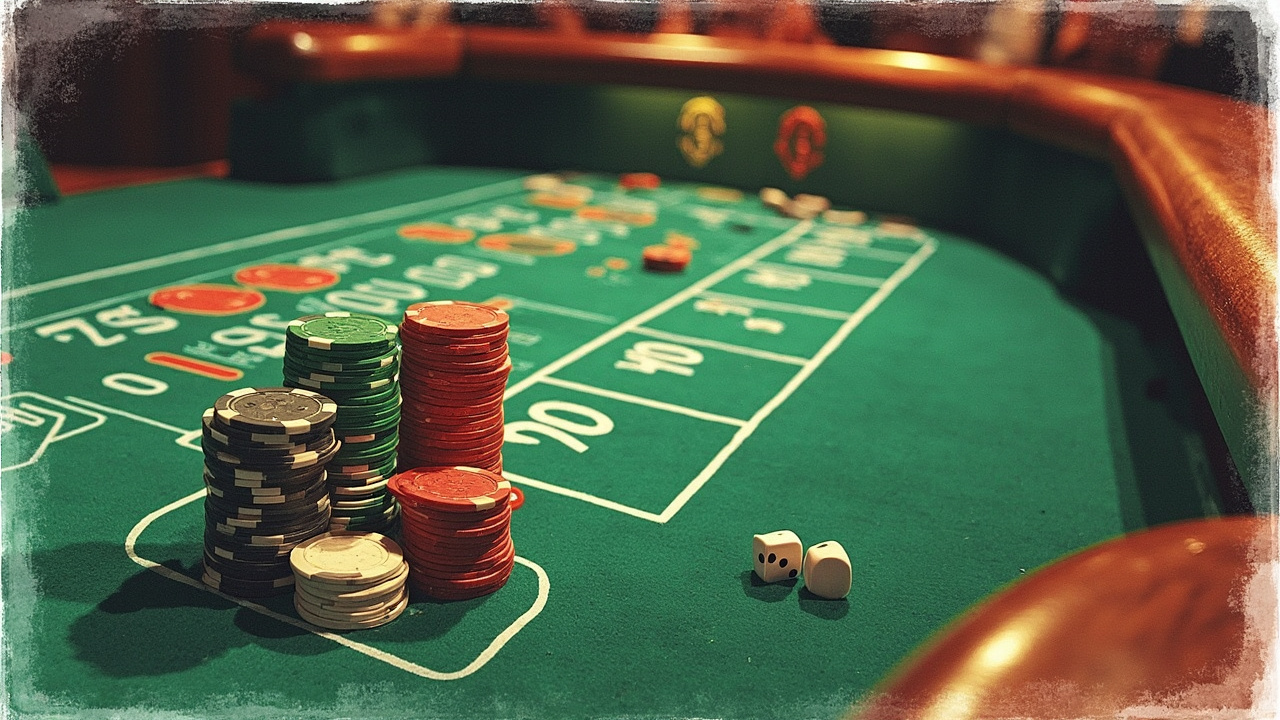
A come bet only makes sense once you understand where it sits in the flow of a table. The come box is your side channel, and the strategy is simply this: keep your base action on the pass line, then use come bets to spread risk without blowing up your bankroll on a single number. In practice, that means you’re not doubling down on a five or a nine just because the dealer is busy. You’re taking a small, repeatable position that pays out when the puck lands in your box, and you let it ride until it hits or loses. I’ve watched suppliers in the UK and Europe build lobby architecture around exactly this kind of patient pacing, because it keeps session length predictable and reduces the kind of impulse betting that turns a quiet evening into a short one. For an Australian market, that discipline matters even more, because the table options are tighter and the margins are visible the moment you compare a local operator’s game mix against a broad international catalogue. If you want to see how a regulated operator organises its table and live content so the pacing feels deliberate rather than chaotic, check the lobby structure here. The point is not to chase a hot streak; it’s to place a come bet, take the odds when the box is active, and walk away with your head intact when the dice turn cold. That’s the difference between a strategy and a guess.
Where the Come Bet Earns Its Keep in a Session
The come bet shines when you want a second line of action without abandoning the pass line entirely. You place it townofdagsboro.com after the come-out, the puck moves to your number, and you’re essentially running a mini pass line on that specific result. The smart move is to take free odds only when the number is established and the table is calm, not when the crowd is loud and the dealer is pushing pace. I’ve seen this same restraint in suppliers who’ve spent years working regulated markets, because they know a product that encourages measured betting holds up better under scrutiny than one that pushes quick repeats. In regional New South Wales, where a local club might run a single table on a Friday night and the room is busy as a stock exchange by arvo, that restraint is what keeps a player from throwing good money after a losing come bet. The strategy is straightforward: let the come bet settle, respect the odds you’ve already taken, and don’t add pressure just because the shooter is on a run. If you’re comparing that kind of table discipline against a broader game mix that includes slots and live dealers, you start to see why a tight craps come bet strategy works best when the lobby itself isn’t fighting for your attention with every spin. The session stays readable, and the numbers stay honest.
Managing the Odds Without Overextending the Come Bet
Odds are where a come bet either earns its keep or turns into a costly habit. Once your number is locked in the come box, you can back it with odds, and that’s the part most players get wrong by pushing too hard too early. The right call is to scale the odds to the number itself: smaller on the six and eight, a bit more on the four and ten, and only what you can afford to lose if the seven turns up before your number. I’ve judged supplier pitches in regulated markets on exactly this kind of discipline, because a product that quietly encourages responsible odds sizing is worth more than one that dangles big payouts without context. In Australia, the comparison is useful because the UK and parts of Europe tend to structure their table content with clearer odds displays and slower pacing, while a local operator here has to work within a smaller game mix and a room that can flip from quiet to packed in an hour. That’s why a craps come bet strategy only holds up when the odds are treated as a controlled add-on, not a second gamble. You place the come bet, you take the odds once the number is live, and you don’t keep stacking because the table feels friendly. The maths stays the same whether the room is in a regional New South Wales club or a busy London venue, and the only thing that changes is how well you stick to your own limits.
When the Come Bet Should Stay on the Table and When It Should Walk
Knowing when to leave a come bet alone is the part that separates a strategy from a streak chase. If your number is up and the table is steady, you let it ride; if the shooter is wobbling, the crowd is loud, or you’ve already taken your odds, you don’t keep feeding the box just to feel involved. I’ve seen this same call made by operators who’ve spent years in regulated markets, because they know a product that rewards patience outlasts one that rewards impulse. In practice, that means you’re watching the puck, not the other players, and you’re treating the come bet as a measured position rather than a ticket to a quick win. For an Australian player, the comparison with New Zealand and the United States is useful: the US tables can run fast and loud, while a local room here tends to be smaller, and the discipline has to come from you, not the floor. If you’re weighing that kind of table pacing against a lobby that also carries slots and live dealers, you start to see why a craps come bet strategy works best when the rest of the room isn’t pulling your attention in five directions. The come bet stays where it earns its place, and you walk when the numbers stop cooperating.

- Place your pass line bet first, then wait for the come-out to settle before putting any money into the come box.
- Once the puck is on a number, decide whether the table pace and your bankroll justify taking odds on that come bet.
- Size the odds to the number itself, keeping the add-on smaller on the six and eight and only what you can afford to lose.
- Let the come bet ride until it hits or loses, and don’t add pressure just because the shooter is on a run.
- Walk the bet or take it down when the table turns noisy or the session has already gone past your own limit.
A craps come bet strategy is not a shortcut to a bigger payout; it’s a way to keep your action structured when the table starts moving. For an Australian player, that means treating the come bet as a second line that sits behind the pass line, taking odds only when the number is live and the room is calm, and walking when the pace stops making sense. I’ve seen the same discipline rewarded in regulated markets overseas, and it’s the same call that keeps a session readable in a regional New South Wales club on a busy night. If you want a lobby that supports that kind of pacing rather than fighting it, see how the table and live content is organised. The come bet earns its place when you let it, and it costs you when you don’t.
Leave a Reply