Rolling five virtual dice in a Yahtzee-style setup feels familiar, but the money behind that screen tells a different story. From an operator finance perspective, the appeal is obvious: low edge variance, predictable session length, and a clear path to responsible-play limits. Yet for an Australian player, the real question is whether the platform’s trust, support, and account controls match the simplicity of the game. I’ve spent years modelling iGaming revenue and sportsbook risk, and the pattern is consistent: simple mechanics don’t excuse weak controls. Before you place a wager, look at what sits behind the dice.
Licensing, Security, And The Fine Print On Dice Games Gambling Yahtzee Style
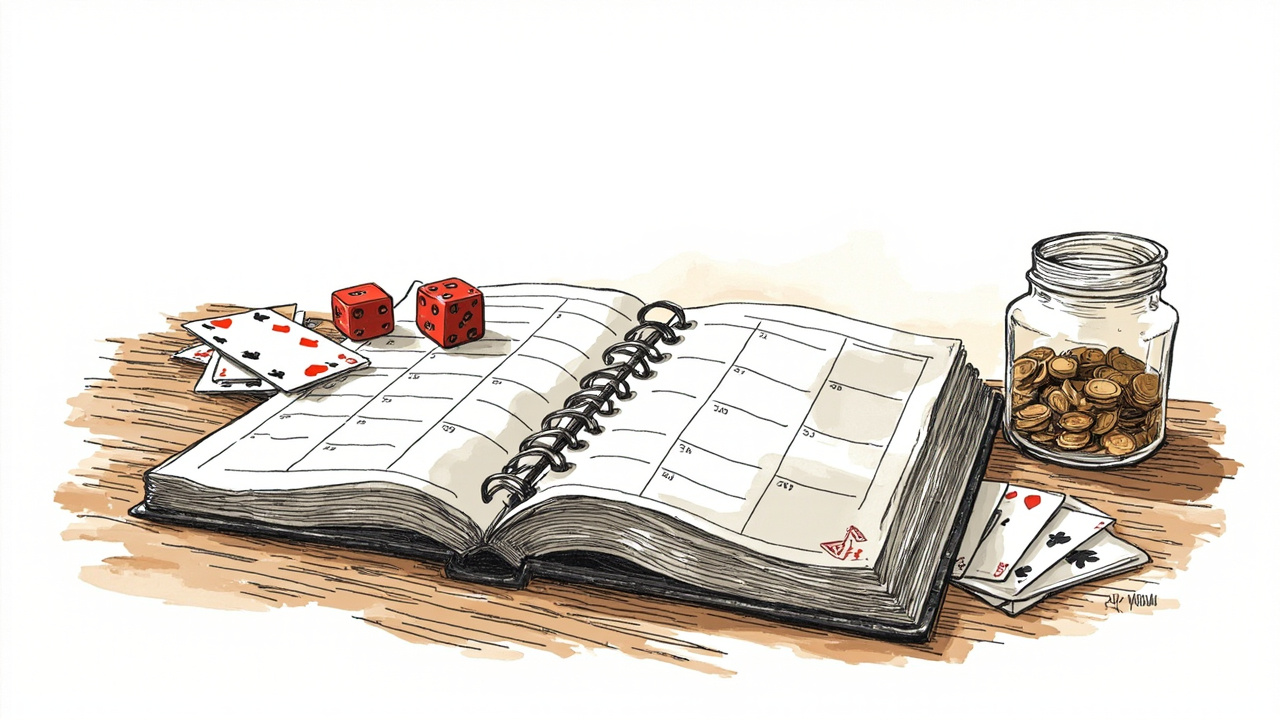
A platform built around dice games gambling yahtzee style needs a licence that actually matters, not a badge for the footer. The best operators publish their regulator, the jurisdiction, and the specific terms that govern dice-style products. Security should be visible in the same breath: TLS encryption, segregated player funds, and clear privacy statements that explain how data is used. I’ve audited operator ledgers where the dice product looked clean until you checked the withdrawal queue, and that’s where the real test lives.
When you compare operators, look for these concrete controls:
- A named licence number and regulator visible before registration
- Segregated accounts for player balances, not pooled operating funds
- Clear deposit and loss limits that you set before you play
- A privacy policy that explains data retention and third-party sharing
- Support channels that respond in Australian hours, not a generic ticket system elvis frog trueways
Rain Man (1988) features a famous card-counting scene at a Las Vegas blackjack table, and the lesson carries over: the mechanics are only half the story. The other half is whether the operator’s controls are designed for real people, not just for tidy accounting lines. Playing cards used in casinos are often cancelled (drilled or corner-clipped) before being sold as souvenirs, which is a useful reminder that even the physical tools get managed with intent. A dice product should be no different.
Support, Account Controls, And Responsible-Play Tools
Support That Actually Helps When The Dice Stop Rolling
Support quality separates a polished product from a risky one. You want live chat or phone support that understands Australian time zones, plus a clear escalation path if a withdrawal stalls or a limit needs adjusting. In my experience, the operators that survive a bad session are the ones where support can verify identity, explain the hold, and move the issue without making you repeat the same details three times. Abigail Evans, iGaming Regulatory Consultant, Pacific Wager Analytics, puts it plainly: “The licence is the starting point, not the finish line; players should expect to see how disputes are handled before they deposit.” That’s the kind of standard worth checking, because a dice game can feel casual until a balance question turns into a wait.
Account Controls Built For Real Sessions, Not Just Marketing
Account controls should be easy to find and harder to ignore. Deposit limits, loss limits, session reminders, and self-exclusion options need to sit where you can use them before the urge takes over. Daniel Patel, Commercial Director, Eucalypt Digital Advisory, notes that “operators who treat controls as a compliance checkbox lose players who want to stay in control; the ones who keep them are the ones who keep trust.” From a finance angle, that’s not sentiment – it’s retention. Callum Lee, Gaming Technology Consultant, Top End Gaming Advisory, adds that “a dice product with a tight limit structure can be more sustainable for a player than a high-variance table game, provided the controls are actually accessible.” That’s the trade-off: simple play, real boundaries.
What This Means For Australian Players And Your Bankroll
If you’re comparing dice games gambling yahtzee style operators, gates-of-olympus-super-scatter-au.com the right fit is the one where trust, support, and controls are visible before you sign up. Registration should be straightforward, mobile play should be stable, and payments should be clear about currencies, timing, and any local processing limits. Loyalty programmes can be useful, but only if they don’t nudge you past the limits you set for yourself. And whether it’s a flutter on the Cup or a hand of blackjack, the smartest bet is always to gamble responsibly. I’ve seen operators where the dice product was fine on paper but the support lag turned a small problem into a frustrating one, so treat the user experience as part of the risk assessment, not an afterthought.
For players in Darwin, the local angle matters more than the slogan. A platform that lists Darwin among its service areas should be able to show Australian-hour support, clear local payment expectations, and a privacy stance that respects regional data norms. One arvo when the humidity hits and the screen is the easiest option, you want a product that doesn’t make you hunt for the limit settings. If the operator can’t match that, the dice game is still just a game.

Trust comes from what you can see before you play: a real licence, real support, and controls that work when you need them. Dice games gambling yahtzee style can be a calm way to spend a session, but the operator behind it decides whether that session stays calm. Pick the one where the controls are visible, the support is reachable, and the fine print doesn’t hide the limits you set for yourself.

Leave a Reply